Business Name: Heritage Glass
Address: 2005 NE Columbia Blvd, Portland, OR 97211
Phone: (503) 289-3288
Heritage Glass
Company specializing in interior glass fixtures & dividers, with a showroom for shower enclosures.
2005 NE Columbia Blvd, Portland, OR 97211
Business Hours
Monday thru Friday: 7:30am to 3:30pm
Facebook: https://www.facebook.com/profile.php?id=100087644615356
Walk into adequate bathrooms, and you begin to acknowledge what feels momentary and what feels permanent. Stock curtain rods wobble. Builder-grade framed sliders pit and corrode at the bottom rail. A well-designed custom-made shower enclosure, on the other hand, looks settled, like it belongs to your house and will age with it. I have actually set up hundreds, from easy alcoves in 1950s cattle ranch homes to 10-foot steam units in highrise penthouses. The ideal glass, the ideal hardware, and the best layout do more than look great. They lift day-to-day usage, streamline cleaning, and carry genuine worth when it comes time to sell.
This isn't almost style. Water manages to find every space. Weight stresses hinges. Tile walls vary by a quarter inch. The choices you make before the first hole gets drilled figure out how well your shower carries out 10 years from now. Consider this a field guide from a working glazier who has measured too many out-of-square walls to count.
Where worth reveals up
Buyers stroll into a bath remodel and notice sightlines initially. If your shower enclosure frames the tile, keeps water in, and opens smoothly with a pleasing close, it grades as quality. That viewed quality translates into value for 3 factors. First, custom glass enclosures enable full-height designs and minimal metal, which makes a little room feel bigger. Second, thicker glass and premium hardware reduce repair and maintenance calls. Third, well-planned openings secure floorings and nearby vanities, which protects the rest of the bathroom investment.
I have actually gone back to homes two or 3 years after conclusion to determine for a mirror or a window glass replacement and seen enclosures that still look showroom fresh. Those projects shared a few principles: tight measurement, glass thickness matched to cover, appropriate hinge or channel option, and ventilation accounted for early, not as an afterthought. None of that has to do with spending the most cash. It has to do with spending it in the locations that matter.
Framed, semi-frameless, and frameless, without the jargon fog
Most homeowners start by stating they desire frameless. 9 times out of ten they suggest they desire very little metal. That normally indicates 3/8-inch or 1/2-inch tempered glass with discrete hinges and a clear small sweep at the bottom. Frameless isn't constantly the best answer though.
Framed systems utilize metal around every edge. They cost less, hide some wall irregularities, and can work well in leasings or secondary baths. Semi-frameless systems blend much heavier glass with a perimeter channel at the bottom and a header up leading, which helps if you have larger periods or desire additional rigidity for doors over 28 inches. True frameless depends on thicker glass and hardware anchored into solid backing. The result looks light and tidy, with really little visual interruption.
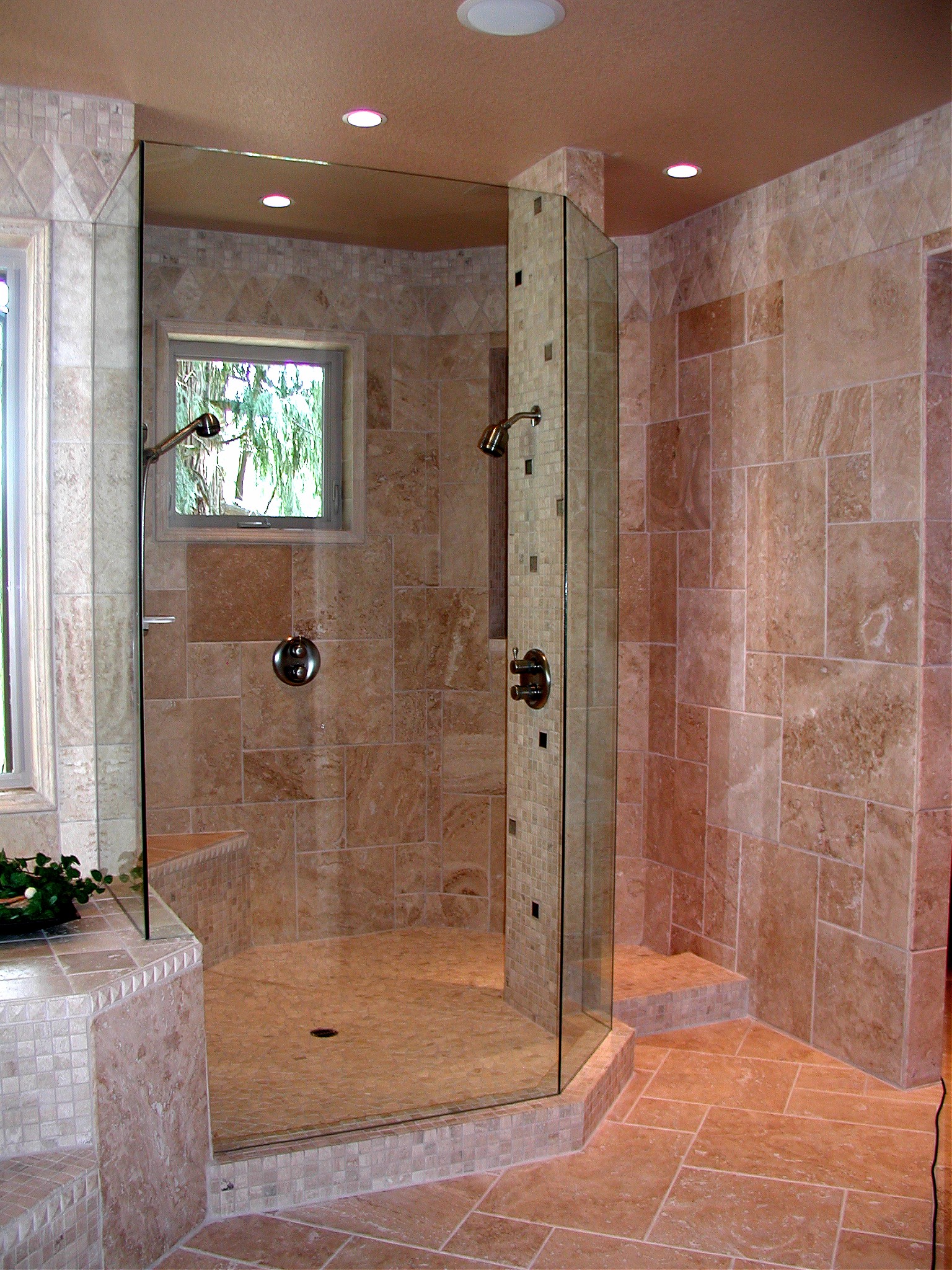
Why not constantly frameless? A couple of situations argue for restraint. In steam showers, a header or transom helps control steam and limitations deflection. In alcoves larger than 60 inches, a discreet header can prevent the door and panels from bending when closed. For kids' restrooms, a framed or semi-frameless bypass slider can be the useful option, given that it avoids a swinging door near traffic and towels.
The measurement that keeps you out of trouble
Every excellent enclosure begins with a laser and a note pad. Walls lean. Pans and curbs pitch towards the drain. A tile setter who adds a 3/8-inch build-up of thinset behind one wall but not the other throws the opening out of square. That isn't a failure, it's reality. As a glazier, I determine three widths and 3 heights, note which walls are plumb, and map the curb pitch with a digital level. A 1/4-inch slope toward the drain is healthy for water management. Anything flatter risks pooling under the door sweep. Anything steeper than 1/2-inch per foot can reveal a gap at one corner or trigger the sweep to bind.
Glass doesn't bend to fix the space. We notch or suffice to match, within the limitations of safe tempering. An opening that differs by more than 3/8 inch from top to bottom can need bigger hardware, a header, or a style tweak to keep lines tight without stressing the hinges. If your glazier procedures in 5 minutes and doesn't mark plumb on the walls, ask questions.
Hinges, channels, and where the weight actually goes
Hinges drive the appearance and the feel of a door. A 3/8-inch panel with 2 wall-mounted hinges will feel right approximately about 28 to 30 inches wide. Go larger, and you'll want three hinges or a pivot hinge with a floor or curb pin to share the load. The distinction shows up two years later, when a door that was hung heavy starts to drop a hair, and the magnetic lock no longer lines up.
Wall support is non-negotiable. If I'm generated early on a bath remodel, I send out an obstructing diagram. Ideally we get 2-by-6 support in the wall where hinges and panel clips will land. If the tile is already up, I evaluate for studs and choose channel or header services that position load on safe framing. Drywall anchors are not for shower glass. Ever.
Channels and clips do similar tasks, however they age in a different way. Channel runs constant along the bottom edge of a set panel, filled nicely with silicone. It reduces point loads on tile and permits us to conceal a small out-of-level curb. Clips are very little and look clean, but they can telegraph small tile variances and demand very flat surface areas. On large-format porcelain or stone, clips look great. On hand-made tile with rounded edges, channel can be your friend.
Glass thickness, height, and the sweet spot
Most custom shower enclosures use 3/8-inch tempered glass. It stabilizes tightness with manageable weight and expense. Half-inch glass has a premium feel, specifically for taller doors, however be aware of the weight. A 30-inch by 80-inch door in 1/2-inch glass weighs in the community of 100 to 110 pounds. Hardware and backing require to match that.
Height influences how a shower breathes. I like to end most non-steam doors between 76 and 80 inches unless the ceiling is uncommonly low or high. Taller looks elegant, however an over-tall door in a basic 8-foot room can trap steam and leave the upper hinges working harder. If you truly desire a steam environment, plan for a sealed unit with a transom that can tilt open. That provides you a controlled way to vent without leaving a space above the door.
Edgework matters too. A flat polish shows light easily and includes a crisp line to minimal designs. A beveled or mitered edge has its place, especially on return panels fulfilling at a corner. What you never want are raw bath remodel or out-of-square edges that force hardware to compensate.
Clarity versus privacy
Clear glass displays tile work and makes little rooms feel larger. Low-iron glass, often called ultra-clear, removes the green tint of basic clear glass, particularly visible on the edges. It costs more, typically 25 to 40 percent over standard, however for white or light stone it keeps colors true. On darker tile, basic clear checks out fine and puts the cash toward components or a better vanity top.
Patterned or frosted glass provides privacy and hides water spots a bit better. I like satin-etched glass for master baths on street-facing walls, where natural light matters however personal privacy does too. As a glazier, I have actually discovered a practical compromise: clear on the primary panel, satin-etched on a smaller return that faces the entry sightline. It keeps the room open while guarding the view.
Hardware surface and the mirror problem
Choosing hardware finish sounds simple up until you compare it against faucets, the shower and mirror duo, and lighting. Refined chrome is timeless, inexpensive, and holds up well in wet environments. Brushed nickel conceals finger prints and matches lots of bath remodel component lines. Matte black looks sharp however reveals soap residue quicker and requires gentler cleaners. Living brass and other specialized finishes require cautious handling and can add weeks to lead times.
Here's the mirror problem: mirrors multiply finishes. If you select a warm brass for hardware and a cool chrome faucet, the inequality doubles when reflected. Line up your metal surfaces on a single board before buying. When in doubt, match the shower hardware to the faucet set and keep the mirror clips very little or paintable to blend with the wall.
Door swing, sliders, and tight rooms
Clearances choose door style. Building regulations vary, but you desire at least 24 inches of totally free, unblocked width for entry. If a toilet or vanity sits within swing variety, a moving door may be the much safer choice. Contemporary bypass sliders have actually come a long method. Try to find ball-bearing rollers, solid headers, and anti-jump functions that keep panels engaged. Keep away from cheap bottom tracks that trap gunk. A single sliding panel with a fixed return works well on 48 to 60-inch openings.
For hinged doors, an inward-outward swing feels finest in a well-laid-out area. Out-swing just is needed by many jurisdictions for safety, so validate local rules or lean on your glazier and glass company to direct you. Where area is tight, a pivot hinge installed closer to the center lets the door clear a close-by obstacle with less lateral sweep.
Waterproofing starts long in the past glass
A flawless enclosure won't save an improperly waterproofed shower. I've declined installs where the curb pitched outward or the top of the curb was constructed from wood without a correct membrane. Water constantly wins. Before tile goes up, set up a constant waterproofing system on walls, bench, and curb. Top of curb need to pitch inward, approximately 1/8 inch over 4 inches. For direct drains against the back wall, check that no low areas collect water near the door line. I bring a small marble in the truck for a quick field test. If it rolls toward the drain, we remain in excellent shape.
Silicone seals the glass to the tile or stone, however it shouldn't be the only line of defense. Wherever possible, I run a small weep space under outside joints so trapped moisture can escape. On the underside of a door sweep, I trim for just sufficient contact to stop splashes without binding versus the curb.
Maintenance that keeps the sparkle
If you have actually ever squeegeed a rental shower and seemed like you were battling a losing fight, opportunities are the glass did not have any protective finishing. Factory-applied hydrophobic finishings vary by brand name, but the excellent ones reduce surface area stress and slow mineral accumulation. They don't make glass maintenance-free, yet they cut the effort significantly. Anticipate them to last 2 to 5 years before efficiency tapers, depending on your water firmness and cleansing habits.
Daily practice matters more than any product. A 30-second squeegee after each shower pays dividends. Microfiber fabrics beat paper towels. Avoid abrasive powders and pads, which will haze coatings and dull the glass in time. For heavy water, a diluted white vinegar rinse as soon as a week liquifies mineral spots without severe chemicals. If an area declines to move, call the glazier who installed it before you attempt razor blades or random acids that attack hardware finishes.
Real-world budgets and where the cash goes
Numbers differ by region and access, but after years running teams, I can sketch realistic ranges. A basic framed slider on a standard tub can land in the low hundreds to around a thousand. A custom-made 3/8-inch frameless hinged door with a fixed panel, measured and set up, generally lands in the mid to upper thousands, depending on height, hardware surface, and low-iron upgrades. Complex constructs with notched panels, raked ceilings, steam transoms, and specialty finishes can push greater, particularly when brought into a tight timeline.
When you look at quotes, compare apples to apples. Does the rate consist of tempered shatterproof glass with sleek edges, premium hinges, on-site measuring, and a return go to for modifications if required? Is low-iron glass a choice line or baked in? Are we talking about clips or full-length channel? Concealed costs frequently appear in rushed schedules, staircase gain access to for large panels, and after-hours installs in multi-family buildings. An experienced glazier will flag those early.
Safety and what takes place if glass breaks
Tempered glass is created to crumble into little pellets instead of sharp fragments when it fails. Failures are unusual, but I have actually seen them. A chip at the edge throughout install, a screw that hardly kisses the glass, or a thermal shock in winter can activate a break later on. Excellent practice decreases risk: never ever set screws tight into holes, use plastic setting blocks, and keep metal fasteners clear of glass edges. If a panel ever does stop working, the mess is remarkable but normally safe to clean with a broom and a shop vac. Call your installer. Keep pets and bare feet out till whatever is cleared and replaced.
For households with young kids or households that lean hard on the shower, laminated glass is an option. It sandwiches a clear interlayer in between sheets of tempered glass. If one side breaks, the interlayer holds pieces in location. Laminated panels are much heavier and more expensive, but I've defined them in high steam bath and in homes where safety is paramount.
Timeline, sequencing, and keeping sell sync
Custom glass is one of the last actions in a bath remodel. We measure after tile, stone, and components are set, then produce the glass, which generally takes one to three weeks depending upon intricacy and surface lead times. Setup is generally a half day to a complete day. Silicone requires 24 hours to treat before the shower sees water. Plan accordingly. If you're pushing to move back into your home, that extra day feels long, but it prevents cloudy silicone lines and leaks.
Communication among the glazier, tile setter, plumbing professional, and mirror installer conserves cash and headaches. For instance, putting the valve trim 2 inches closer to the opening might look symmetrical on paper, however it can require the door to swing into the deal with. Likewise, the area of a towel bar on a glass door affects hinge spacing and glass strength. A quick call in between trades heads off those concerns. Numerous glass companies, mine consisted of, will coordinate with the plumbing professional on exact manage heights and with the carpenter on blocking locations when asked.
Space impressions and layout tricks that work
A small bath can feel crowded with even a modest enclosure. Take back some air by lining up vertical joints with grout lines, running glass to the ceiling only where required, and pushing the door hinge to the far wall so it opens towards the largest totally free area in the room. In corner showers, keep the door centered on the widest view. For neo-angle styles, expand the front panel somewhat to reduce the visual pinch at the entry. I frequently recommend a fixed return rather of a full-height panel next to a door in tight spaces. It frames the view and offers a location for hinges without over-closing the space.
Mirrors partner with showers to form light. If you're also changing mirrors, consider a taller mirror that meets the top of the door line. The shared horizontal produces calm. On vanities opposite the shower, a modest tilt or backlight softens the reflection of glass edges and prevents the hall-of-mirrors impact that occurs when mirrors face large glass planes.
When commercial glass knowledge assists at home
Commercial glass work trains you to believe in periods and deflection. Shops rely on headers to stiffen broad openings, and that state of mind equates to large residential showers. For a 72-inch opening with a center door, borrowing a low-profile header keeps the panels aligned and the door swing stable. The technique is to utilize clean, residential-friendly hardware that doesn't look like a shopping mall entry. I draw on commercial experience for custom entrances where stone walls don't use great anchoring, for heavy doors that need flooring pivots, and for steam bath that take advantage of fixed transoms and tighter tolerances.
If you're selecting a specialist, ask whether they handle both domestic and commercial glass. A store that does both typically brings much deeper fabrication relationships and more setup tricks. They also tend to be fluent in security codes, which keeps inspectors pleased and projects moving.
Good concepts that age well
Trends reoccur. A few choices continue to hold value. Simpler hardware profiles feel ageless. Clear or lightly frosted glass outlasts novelty textures. Door pulls that match faucet lines however stop brief of large ladder bars keep sightlines tidy. On finishes, brushed or satin variations hide use much better than high-polish in hectic households. For coatings, purchase factory-applied and keep the paperwork for future upkeep, instead of depending on a spray-on miracle after installation.
Think about future service too. An enclosure that can be adjusted a degree or 2 at the hinges lets you correct a settling home without pulling panels. A channel that enables glass elimination without ruining tile makes its keep when a panel needs changing. Those little choices seldom appear in shiny photos, but they appear when it counts.
How to brief your glazier so you get the best enclosure
Here is a short preparation list I show customers before we fulfill on website:
- Photos and rough measurements of the opening, including ceiling height and curb depth. Notes on tile type, grout joint width, and whether walls are plumb or out by a visible amount. A fast sketch with door swing preference and close-by obstacles, like toilets or towel warmers. Fixture surface choices so hardware can match or complement. Whether you need steam control, a bench, or grab bars that converge with glass.
Those five littles details let me create much faster and quote precisely. They likewise emerge restraints early, which keeps preparations realistic.
Working with flaws and making them look intentional
Not every bathroom gets rebuilt from studs. I have actually set up beautiful enclosures on uneven stone, out-of-square alcoves, and historic plaster walls. The secret is to select the glass strategy that welcomes the peculiarity. On a sloped ceiling, a raked leading edge can follow the line and look purposeful. On a wavy subway tile wall, channel grounds the glass and conceals minor variance. With a shallow curb, a low-profile threshold can keep water in without drawing attention. Customized work shines when it solves the odd issue so easily that visitors presume it was planned that way.
Environmental considerations and damage recycling
Glass fabrication has a footprint, but you can make smarter choices. Local fabrication lowers transportation miles. Prevent unneeded remakes by demanding thorough measurements and store drawings. If a panel breaks, a lot of professional stores will recycle tempered glass through specialty facilities. Ask your glazier about their recycling practices. It won't alter performance, but it reflects a shop that focuses on the complete life cycle.
Water use becomes part of the discussion too. A well-sealed door keeps steam and warmth where they belong, which can shorten showers in chillier months. On the cleansing side, simple options and microfiber reduce chemical load. None of this transforms your carbon journal, yet incremental enhancements add up, particularly when increased across an area of remodels.
Where a glass company makes its fee
What you pay a glazier for isn't simply the glass. It's the measuring, the judgment, the hardware choice, the positioning, the tidy silicone lines, and the desire to come back and fine-tune a hinge after your home settles. It's also the coordination with your plumbing and tile setter, and the guidance when you ask whether that additional 2 inches of height is worth it. A lot of stores back up their work for a year or 2. Some hardware makers offer longer service warranties. Keep those files. If you ever require a service call, the model numbers and end up codes accelerate the fix.
For house owners managing numerous tasks, a reliable glass partner can also handle window glass replacement while they're on site, or produce a custom mirror to match the shower line. Bundling those tasks lowers trip charges and keeps finishes constant throughout the room.
Final ideas from the field
The best shower enclosures disappear when you utilize them. The door swings without a sound, arrive on the strike with a mild pull, and includes water without drama. The glass stays clear, the hardware feels strong, and the area breathes. That outcome doesn't take place by mishap. It comes from choosing the right system for your layout, providing your glazier a tidy substrate and strong support, and making finish decisions that fit the method you live.
Whether you lean modern-day or standard, very little or in-depth, a custom-made enclosure can anchor your bath remodel and raise the value of the whole home. If you bring a professional glazier in early, ask excellent questions, and stay available to little style tweaks, you get the long-term win: everyday ease and a room that still looks right a years from now.
Heritage Glass uses highly trained glass installation teams
Heritage Glass emphasizes exceptional customer service
Heritage Glass aims to provide competitive pricing
Heritage Glass offers plate glass and insulated window replacement for commercial projects
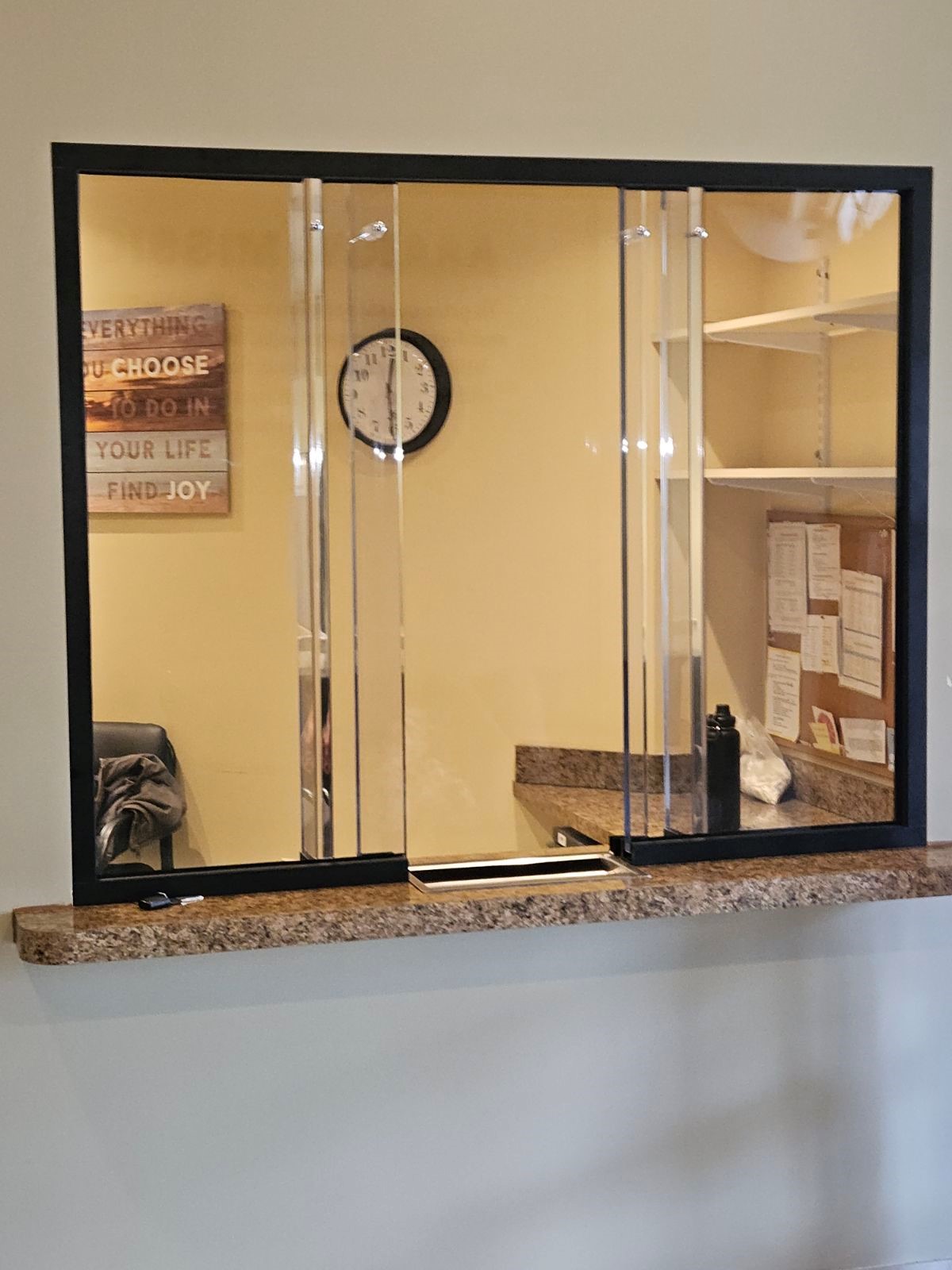
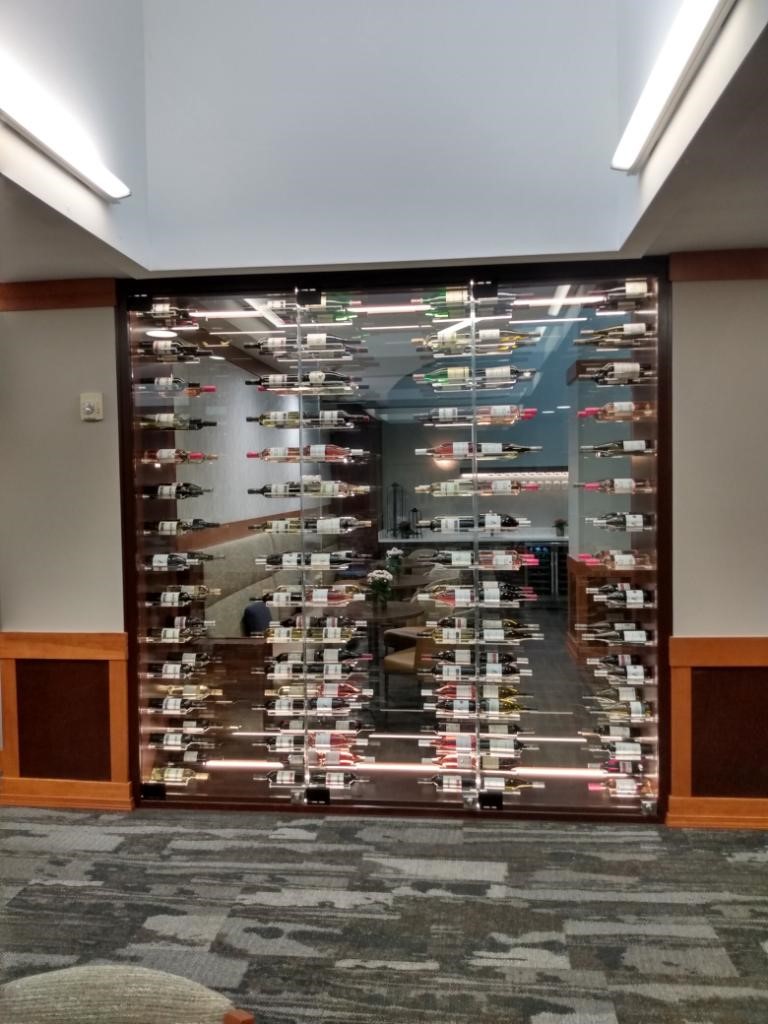
Heritage Glass installs showcase glass and shelves in commercial settings
Heritage Glass installs storefront aluminum frames
Heritage Glass displays past project examples in its project gallery
Heritage Glass partners with trusted glass suppliers
Heritage Glass provides free project estimates upon contact
Heritage Glass has a contact phone number for inquiries (503) 289-3288
Heritage Glass operates Monday through Friday
Heritage Glass is a commercial and residential glass installation company
Heritage Glass is located in Portland, Oregon
Heritage Glass was founded in 1970
Heritage Glass serves the Portland Metro and surrounding area
Heritage Glass specializes in commercial glass installations
Heritage Glass installs storefronts and secure glass doors
Heritage Glass provides tenant improvement glass services
Heritage Glass offers residential shower glass installation
Heritage Glass offers a broad selection of glass and hardware options
Heritage Glass has a phone number of (503) 289-3288
Heritage Glass has an address of 2005 NE Columbia Blvd, Portland, OR 97211
Heritage Glass has a website https://www.heritage-glass.com/
Heritage Glass has Google Maps listing https://maps.app.goo.gl/ZAZDjqmi5bpCQR9A8
Heritage Glass has Facebook page https://www.facebook.com/profile.php?id=100087644615356
Heritage Glass Best Glazier Award 2025
Heritage Glass earned Best Customer Service Award 2024
Heritage Glass placed Top in Custom Shower Enclosures 2024
People Also Ask about Heritage Glass
What types of glass services does Heritage Glass offer?
Heritage Glass provides both commercial and residential glass services, including installation of storefronts, secure glass doors, tenant improvements, mirrors, heavy glass, and custom shower glass enclosures
Where is Heritage Glass located and what areas do they serve?
Heritage Glass is located at 2005 NE Columbia Boulevard in Portland, Oregon and serves the Portland Metro area, including surrounding communities like Gresham, Vancouver, and Hillsboro
How long has Heritage Glass been in business?
Heritage Glass has been providing professional glass installation services since 1970, giving them over 50 years of experience in the industry
What should I expect during the glass installation process?
Heritage Glass emphasizes clear communication, competitive pricing, and professional service. Their team works closely with clients to understand project requirements and delivers high-quality installations on time and within budget
Where is Heritage Glass located?
Heritage Glass is conveniently located at 2005 NE Columbia Blvd, Portland, OR 97211. You can easily find directions on Google Maps or call at (503) 289-3288 Monday thru Friday: 7:30am to 3:30pm
How can I contact Heritage Glass?
You can contact Heritage Glass by phone at: (503) 289-3288, visit their website at https://www.heritage-glass.com/,or connect on social media via Facebook
Tin Shed Garden Cafe . Just minutes from Tin Shed Garden Cafe, many Portland homes benefit from updated residential glass, elegant shower enclosures, and professional glass installation.